
STARTING DRAFT 1
Like many current or soon-to-be Homeowners Association (HOA) members, chances are you have had questions about the primary purpose of an HOA. There’s no question that HOAs do tend to get a bad rap from time-to-time, but just like any organization, there’s always pros and cons. As the number of HOAs steadily increases, it has been estimated that almost a quarter of Americans are currently part of an HOA community. HOAs can steer the seeking home owner in a number of ways when it comes to making their final financial decision. However, it doesn’t just end with the homeowner ‒ HOAs can put great influence on their board members, renters and even property management companies.
With the many assumptions and rules that come behind an HOA, you may find yourself asking a number of questions: How much does it cost? What are the laws? How will this benefit my home? For those that are current board members or work in property management, your purpose is to ensure the value of your community. Many times you may find yourself caught in a bed of weeds while trying to find better ways to improve your community. All things considered, these are all common questions. As a software company that puts the majority of its focus on solutions that are involved in HOAs, we would like to provide you with a thorough understanding of what an HOA has to offer from not only a soon-to-be homeowner’s perspective, but also those that may already be involved.
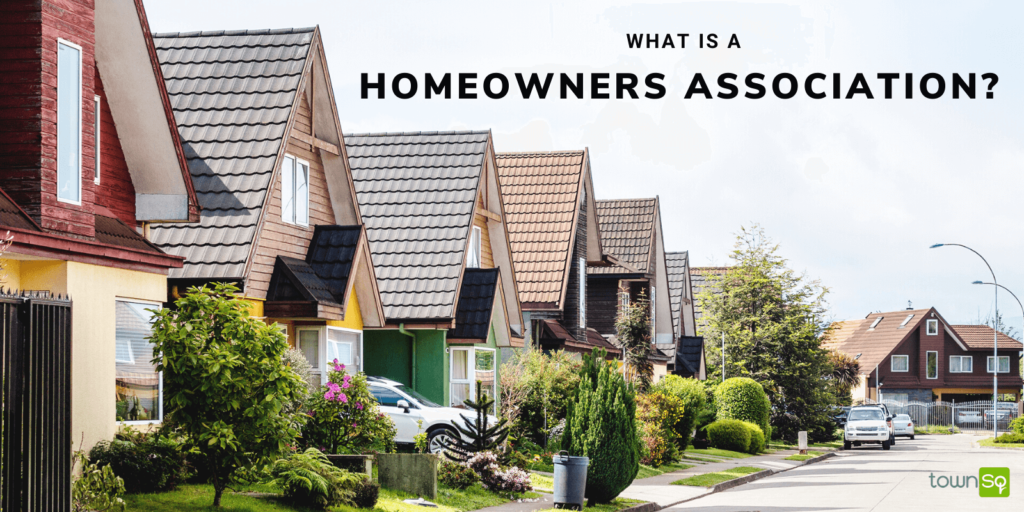
Suggestion – Include graphic text here or an image.
Why Do HOAs Exist?
In most cases, HOAs are typically formed by the real estate developer that was responsible for helping build the community. Being that it is important that the developer maintain a strong presence of their final development, HOAs are created so that not only the community flourishes, but that it adds value.
What Is an HOA Homeowners Association?
An HOA is an organization that oversees a subdivision, planned community or condominium. Their primary responsibility is to manage the business affairs of the corporation all while balancing the needs and wants of their neighborhood community. Those who purchase a property within an HOA jurisdiction automatically become members and are required to pay annual fees. HOAs also make and enforce rules to maintain communal areas that increase property values.
Who Are The People Involved In An HOA?
- The Board Members: In most cases, an HOA is typically started by the housing developer and acts as a non-profit organization with a Board of Directors made up of elected residents. The Board of Directors is then responsible for enforcing rules laid out in the Declaration of Covenants, Conditions, and Restrictions (CC&Rs). The Board of Directors may include officers such as the president, the vice-president, a secretary, treasurer and an auditor. If in the situation more focus is needed with specific community projects, these board members may also form management positions so that there is more attention given to the project.
- The HOA Members: HOA members generally consist, but are not limited to, single-family homes, condominiums, townhomes, and other groups of homes that are considered to be in a planned covenant community. These can often be confused for common-interest communities, which govern bodies over condominiums, retirement communities, vacation timeshares and co-ops. Both of which have different sets of rules and regulations.
What is a Declaration of Covenants, Conditions and Restrictions?
These Declaration of Covenants, CC&Rs typically include bylaws and regulations regarding the appearance of the exterior of the homes including fencing, landscaping, roofing and paint color. Noncompliant homeowners are also held accountable to keeping within CC&Rs standards through citations and fines.
Let’s Get the Facts
According to the Homeowners Association of America, there are“over 351,000 homeowner associations in the United States. Collectively, this represents over 40 million households or 53% of the owner occupied households in America.” Furthermore, over 70% of these homeowner associations consist of volunteer members that manage the organization by the Board of Directors. As rural new developments begin to arise, it has been estimated that as many as 8,000 new Homeowner Associations are created yearly.